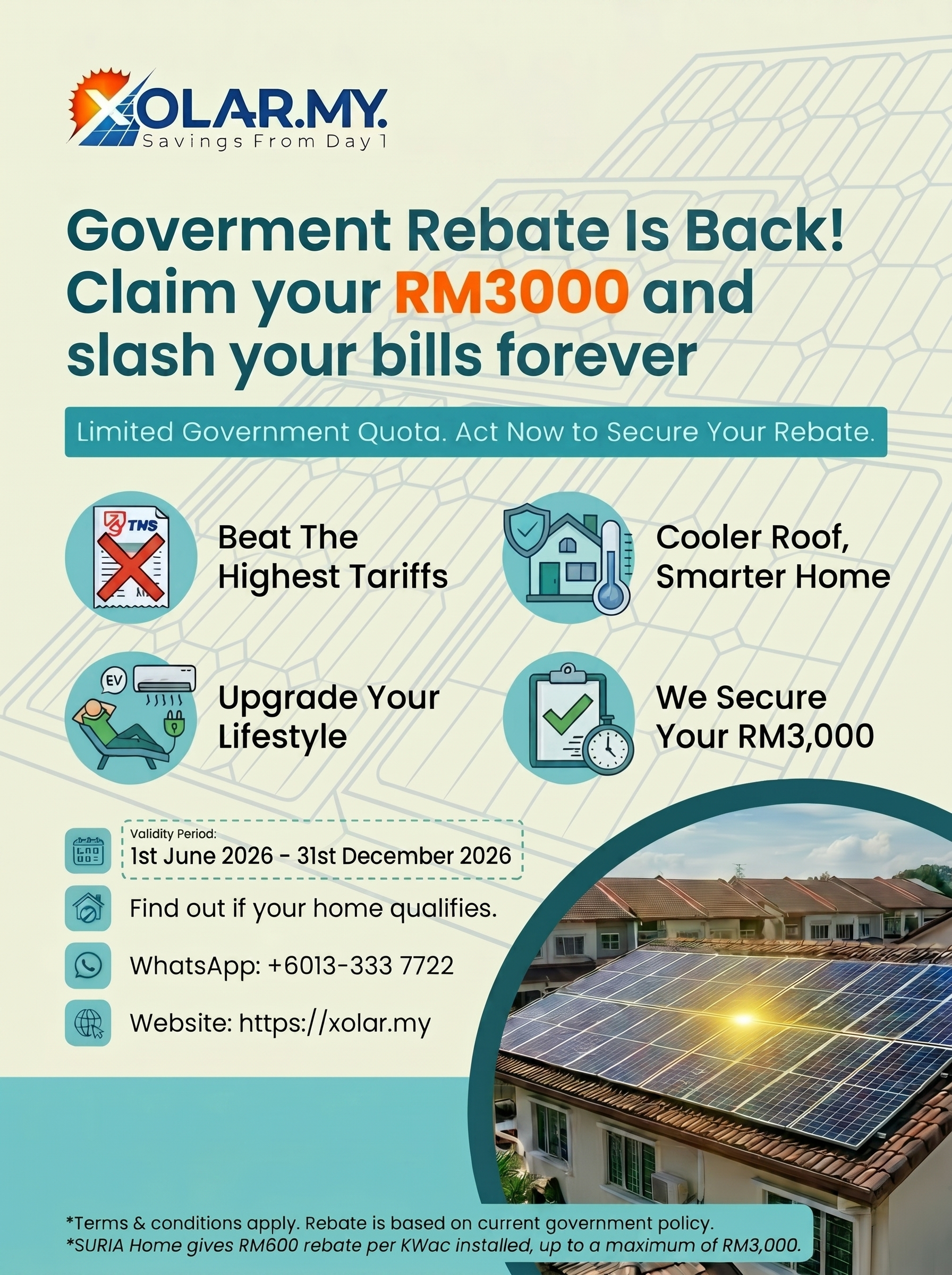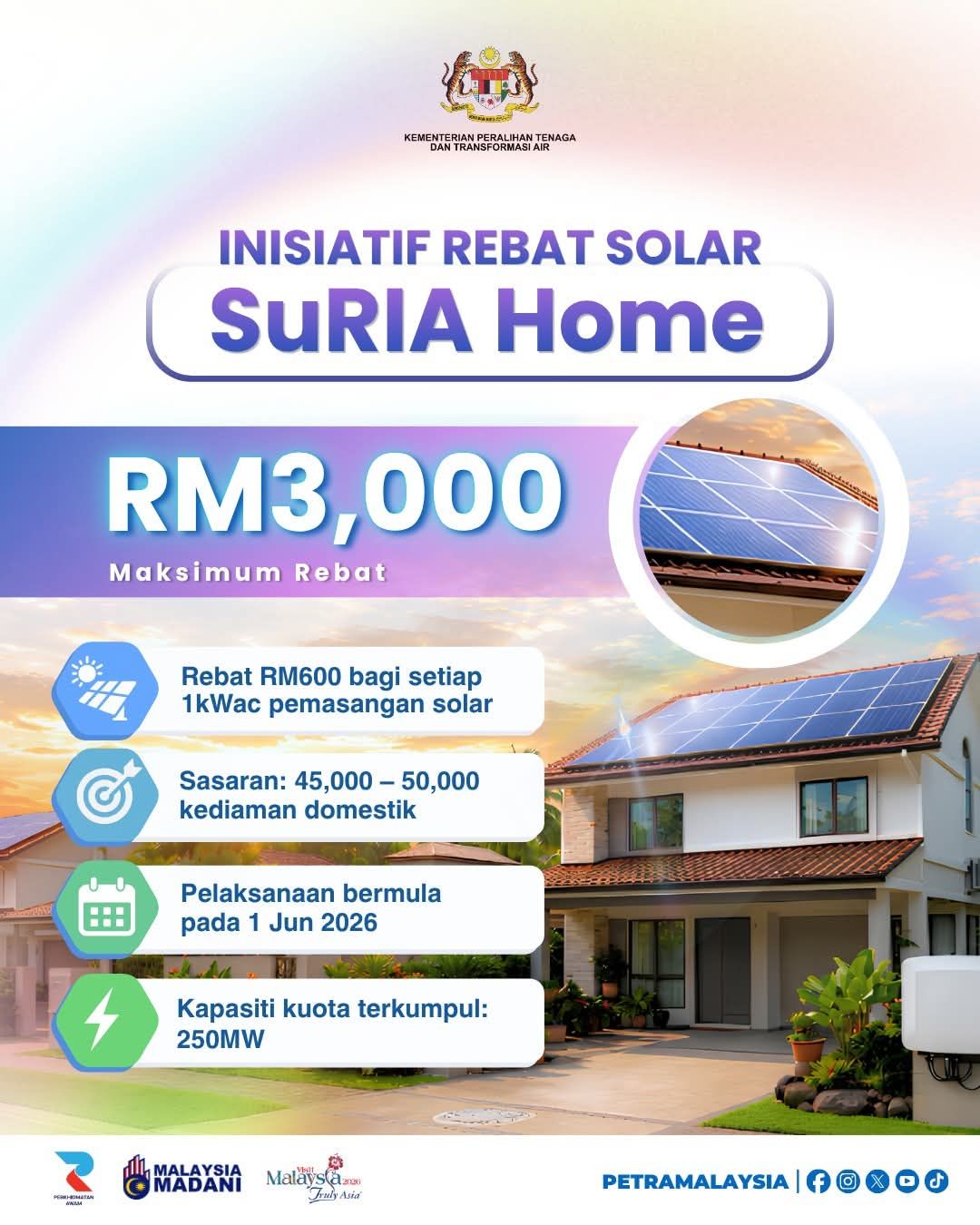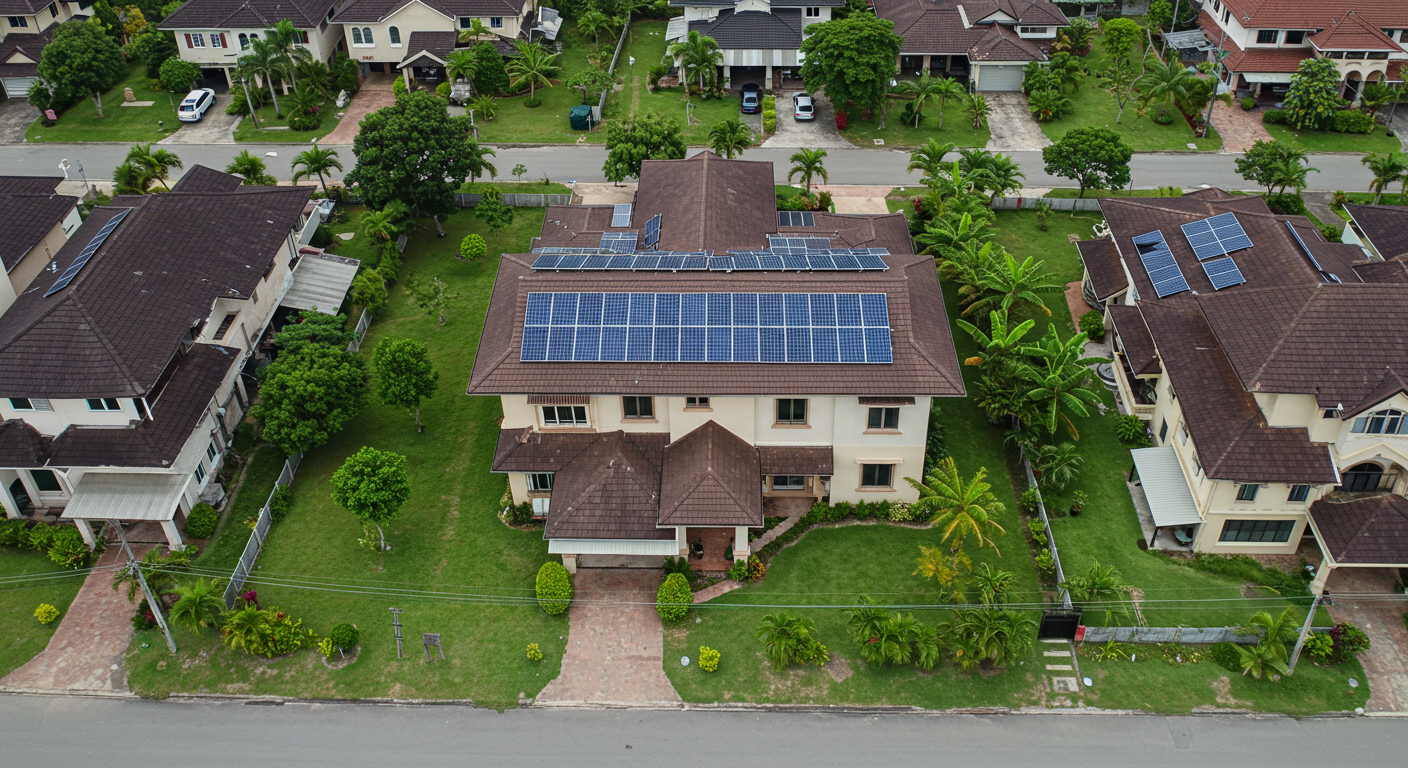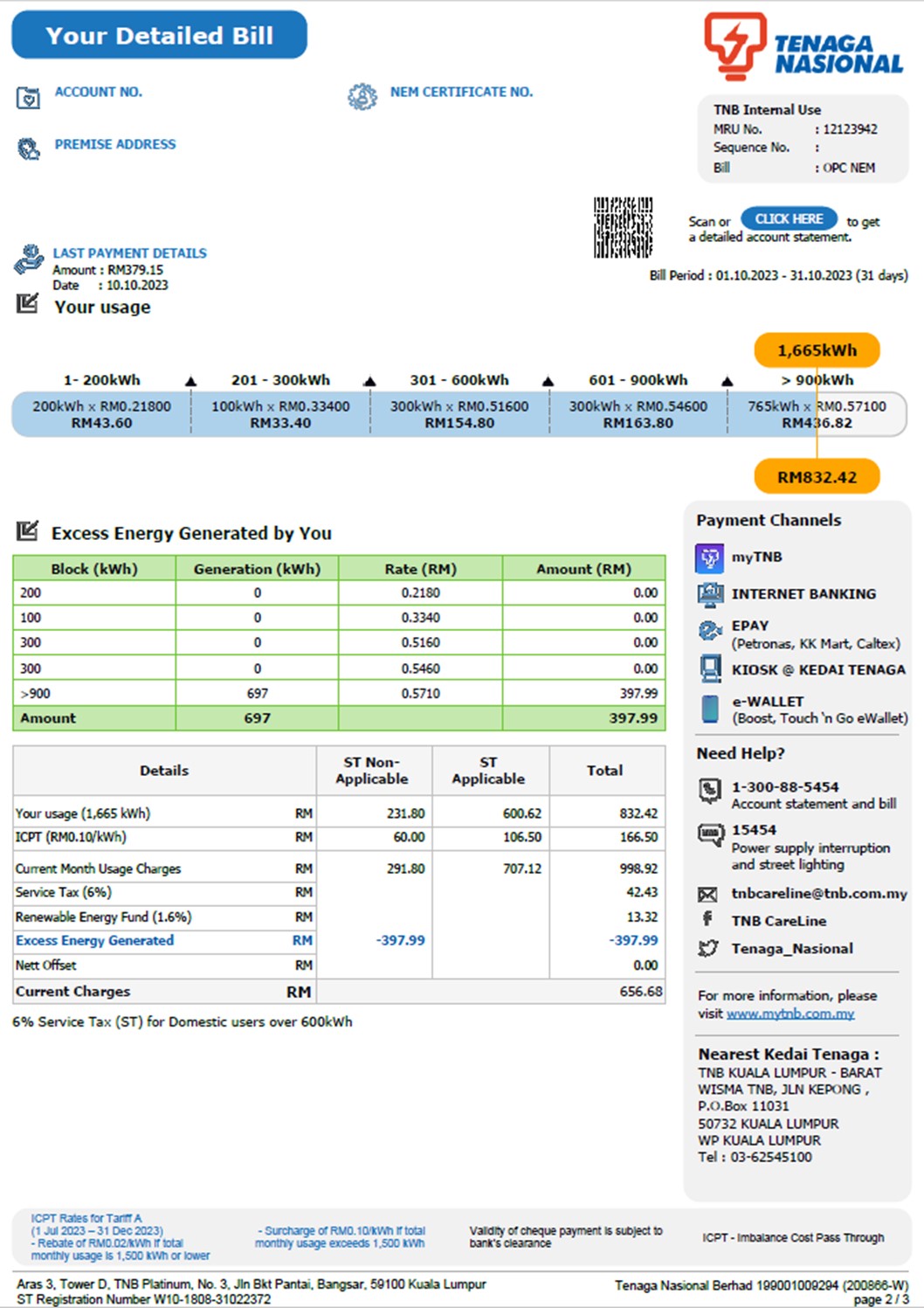
The Net Energy Metering (NEM) scheme has officially concluded. As of January 1, 2026, Malaysia enters the age of the Solar Accelerated Transition Action Programme (ATAP). Here is the definitive breakdown of what has changed.
Introduction: A Historic Shift
For the past decade, the question for Malaysian solar adopters was, “Is there still NEM quota left?”
As of 2026, that question is obsolete.
The government, in collaboration with Tenaga Nasional Berhad (TNB) and PETRA, has officially launched the Solar Accelerated Transition Action Programme (ATAP). This is not just a rebranding of the old system; it is a structural overhaul of how Malaysia generates, consumes, and values renewable energy.
Whether you are a homeowner in Subang or a factory owner in Penang, the rules of engagement have changed. Here is your official introduction to Solar ATAP.
What is Solar ATAP?
Solar ATAP is the new national framework for self-generation of electricity. It replaces the NEM 3.0 scheme which ended on June 30, 2025.
Unlike its predecessor, which was designed to “kickstart” the industry with subsidies and 1-to-1 offsets, ATAP is designed for a mature market. Its primary goal is Grid Stability and Self-Sufficiency.
The Core Philosophy:
- Old Way (NEM): “Generate to Sell.” (Treating the grid as a bank).
- New Way (ATAP): “Generate to Consume.” (Treating the grid as backup).
The 3 Pillars of ATAP 2026
If you are considering solar this year, these are the three massive changes you need to know:
1. The “No Quota” Freedom
The days of refreshing a website to see if quotas are full are over. ATAP launches with no fixed national quota cap.
- Why this matters: You can plan your project on your timeline, not the government’s. This is a huge win for large commercial projects that take months to design.
2. Unrestricted Sizing (Up to 100%)
Previously, you were often capped at installing only 60% or 85% of your Maximum Demand.
- The Change: Under ATAP, you can now install solar capacity up to 100% of your Maximum Demand (Subject to technical technical assessment).
- The Impact: Businesses with high daytime loads can finally cover their entire operation with solar, maximizing savings.
3. The Dual-Tier Export Mechanism
This is the most critical financial update. The rate you get paid for excess energy now depends on who you are:
- Domestic (Homes): Excess energy is credited at the Energy Charge Rate (approx. RM 0.27 – RM 0.37/kWh). It is no longer a 1-to-1 offset against the full tariff, but it remains a strong “discount.”
- Non-Domestic (Business): Excess energy is sold at the System Marginal Price (SMP). This is a fluctuating market rate determined by supply and demand, generally lower than retail rates.
Who is Solar ATAP For?
The program is split into two distinct tracks. Identifying which one you belong to is the first step.
| Category | Best Strategy | Key Benefit |
| Residential (Homes) | “Right-Sizing” Install enough to cover daytime usage (Airconds, Fridges, EVs). Avoid massive oversizing. | Bill Reduction. You protect yourself from rising electricity tariffs (Tier 3 rates). |
| Commercial (C&I) | “Load Matching” Analyze 30-minute load profiles. Ensure generation matches operation hours. | ESG & Cost Control. Access to Green Investment Tax Allowances (GITA) and carbon credits. |
Why Launch This Now?
You might wonder, “Why remove the lucrative 1-to-1 NEM offset?”
The answer is sustainability. The 1-to-1 offset was effectively a subsidy borne by the grid. As solar adoption hits mass market levels (thousands of MWs), the grid needs to prioritize Consumption over Export.
ATAP encourages you to be efficient. It rewards you massively for using green energy, but it stops rewarding you for dumping energy onto the grid when nobody needs it.
Your Launch Day Checklist
- Check Your Status: If you are already on NEM 3.0, nothing changes for you. You are grandfathered in for your contract period (10 years).
- New Applicants: All applications submitted from Jan 1, 2026, onwards will fall under ATAP rules.
- Find an Authorized Partner: Ensure your solar installer is registered for ATAP submissions (RPVSP status). The technical requirements for “Zero Export” or “Load Limiting” devices are stricter under this new program.
Conclusion
Solar ATAP is the “grown-up” version of Malaysia’s renewable energy policy. It is stable, scalable, and open to everyone. While the “free battery” era of NEM is gone, the era of Energy Independence has just begun.
Welcome to ATAP 2026.
Further Reading & Official Resources:
- Want to read the fine print? Download the official Energy Commission ATAP Guidelines.
- Ready to check your eligibility? Visit the myTNB Solar ATAP Portal.
- Application submissions are now live at the SEDA eATAP System.